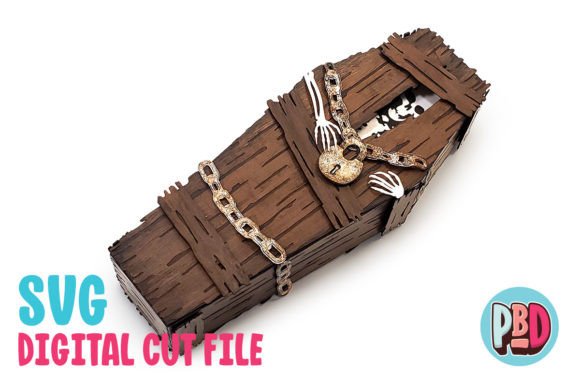
Skeleton Coffin 3D Papercraft
Halloween is no longer just a single night of trick-or-treating; it has evolved into a month-long celebration of creativity, atmosphere, and immersive experiences. For hobbyists, event planners, and creative professionals, the demand for decor that is both visually striking and uniquely handmade has never been higher. In this landscape, the Skeleton Coffin 3D Papercraft stands out as a compelling project that bridges the gap between traditional paper engineering and modern digital fabrication. This model is not merely a decoration; it is a functional piece of art that serves as an eerie centerpiece for parties or events while doubling as a clever treat box for your secret candy stash.
The appeal of papercraft lies in its accessibility and the tactile satisfaction of building something with your own hands. However, the integration of digital cut files has transformed the hobby from a slow, manual process into a streamlined workflow suitable for busy creators. This Skeleton Coffin model exemplifies that shift. Measuring 11 L x 4.5 W x 3 H, it offers a substantial presence without requiring excessive materials or floor space. Designed specifically for medium to heavy cardstock, the structural integrity of the coffin ensures it holds its shape, providing a durable display piece that can withstand the handling typical of social gatherings.
The Evolution of DIY Halloween Decor
Gone are the days when Halloween decorations were limited to mass-produced plastic skeletons or cheap foam bats. Today’s consumers, particularly those aged 20 to 50, seek authenticity and personalization in their home environments. There is a growing trend toward "maker culture," where individuals take pride in creating bespoke items that reflect their personal style. The Skeleton Coffin 3D Papercraft fits perfectly into this movement. It allows users to move beyond passive consumption and engage in active creation, resulting in a deeper emotional connection to the holiday decor.
This shift is also driven by social media platforms, where visually unique, handmade items garner significant engagement. A hand-assembled, painted, and textured skeleton coffin is far more likely to capture attention on Instagram or Pinterest than a generic store-bought item. By incorporating texturing and painting tips directly into the instructions, the design encourages artistic expression. Users are not just assembling a kit; they are curating a look. Whether you aim for a stark white bone aesthetic, a weathered wood finish, or a vibrant pop-art interpretation, the blank canvas of the cardstock invites customization that aligns with current interior design trends.
Technical Specifications and Material Considerations
Success with any papercraft project hinges on material selection. The Skeleton Coffin 3D Papercraft is intended to be built using medium to heavy cardstock. This specification is crucial for maintaining the three-dimensional structure of the coffin. Lighter papers may result in a flimsy final product that lacks the necessary rigidity to stand upright or function effectively as a container. The dimensions—11 inches in length, 4.5 inches in width, and 3 inches in height—are carefully calculated to provide a realistic scale for a miniature coffin while remaining manageable for assembly.
The included full material list in the instructions provides clarity on what is needed, reducing the guesswork often associated with DIY projects. For those looking to elevate the final product, experimenting with different types of cardstock can yield varied results. Matte finishes offer a classic, somber look appropriate for a skeleton theme, while glossy or metallic papers can add a touch of modern flair. The ability to choose your substrate empowers the creator to tailor the aesthetic to their specific event theme, whether it is a gothic horror party or a whimsical autumn gathering.
Digital Workflow: SVG vs. DXF Files
One of the most significant advantages of this download is the inclusion of multiple file formats, catering to different software ecosystems and user preferences. The package includes a ZIP file containing SVG cut files, DXF cut files, and PDF instructions. Understanding the differences between these formats is essential for a smooth crafting experience, particularly for those using electronic cutting machines like Cricut or Silhouette.
SVG Files: The Scalable Vector Graphics (SVG) format is generally the preferred choice for modern cutting machines. These files are compatible with Cricut Design Space and Silhouette Designer Edition and above. SVG files are vector-based, meaning they remain crisp at any size and typically load quickly and cleanly in software. If you have access to newer versions of Silhouette Studio or use Cricut Design Space, starting with the SVG files is highly recommended for the best user experience.
DXF Files: For users of Silhouette Basic Edition or older software versions, DXF files are provided as a fallback. However, there are important technical considerations when working with DXF files. They often open slowly in Silhouette Studio and may not render as cleanly as SVG files. To ensure the file loads properly, you must adjust your DXF preferences within the software. Specifically, navigate to Edit Preferences, then Import DXF Open, and change the setting from “As-is” to “Centered.” Failure to do so may result in alignment issues or loading errors. While DXF files are functional, if possible, users should prioritize SVG files for efficiency and precision.
Assembly and Creative Application
The assembly process for the Skeleton Coffin 3D Papercraft is guided by comprehensive PDF instructions. These guides are designed to walk users through each step, ensuring that even those new to 3D papercraft can achieve professional-looking results. The inclusion of texturing and painting tips further supports the creative process, offering guidance on how to bring the skeleton motif to life. This could involve dry-brushing techniques to highlight edges, washes to create depth in the crevices, or detailed hand-painting of bone structures.
Once assembled, the versatility of the model becomes apparent. As noted, it doubles as a treat box. This functionality adds a layer of practicality to the decoration. During Halloween parties, guests can fill the coffin with candies, chocolates, or small favors, turning the decor into an interactive element. The lid can be secured or left slightly ajar depending on the desired effect. For entrepreneurs selling handmade goods, this dual purpose makes the item an attractive product, combining visual appeal with utility. Bloggers and content creators can feature the assembly process as a tutorial, driving traffic to their sites while showcasing the product’s features.
Expanding Your Creative Portfolio
If the Skeleton Coffin 3D Papercraft resonates with your interests, it is worth exploring the broader range of seasonal designs available. Checking out the Artist portfolio page reveals additional Halloween-themed creations that follow similar principles of quality design and digital accessibility. Building a collection of such models allows for cohesive thematic decorating across different areas of a home or venue. From spooky trees to haunted houses, having a library of trusted templates reduces the risk of poor-quality cuts and frustrating assembly processes.
For educators and makerspaces, these digital downloads offer a valuable resource for teaching geometry, spatial reasoning, and fine motor skills. The step-by-step nature of papercraft construction encourages patience and attention to detail. Furthermore, the transition from digital file to physical object illustrates basic principles of manufacturing and design, making it an educational tool disguised as fun. Freelancers and remote workers might find the process of building such a model a refreshing break from screen time, offering a tangible reward for a period of focused work.
Practical Tips for Success
To get the most out of your Skeleton Coffin 3D Papercraft, consider the following practical recommendations:
- Test Cuts First: Before committing to expensive cardstock, run a test cut on scrap paper to verify blade depth and settings on your machine.
- Use Quality Tools: Invest in a sharp craft knife and a self-healing mat. Clean cuts are vital for the tabs and slots to fit together seamlessly.
- Plan Your Paint Scheme: Decide on your color palette before you start cutting. This helps in sourcing the right paints and brushes in advance.
- Extract Files Properly: Remember that all files will need to be extracted from the ZIP folder before use. Ensure you know how to unzip files on your operating system to avoid confusion.
- Software Compatibility: Double-check your software version compatibility. If you are unsure whether your Silhouette edition supports SVG, consult the manufacturer’s documentation or opt for the DXF route with the correct preference settings.
The Skeleton Coffin 3D Papercraft represents a thoughtful intersection of tradition and technology. It respects the artisanal roots of papercraft while leveraging the convenience of digital cutting. Whether you are a seasoned crafter looking for a challenging new project or a beginner eager to try your hand at 3D assembly, this model offers a rewarding experience. Its elegant design, functional utility, and adaptability make it a standout choice for anyone looking to enhance their Halloween celebrations with a touch of homemade magic. By paying attention to the technical details—from file formats to material choices—you can ensure that your final creation is not only a tribute to the season but a testament to your own craftsmanship.