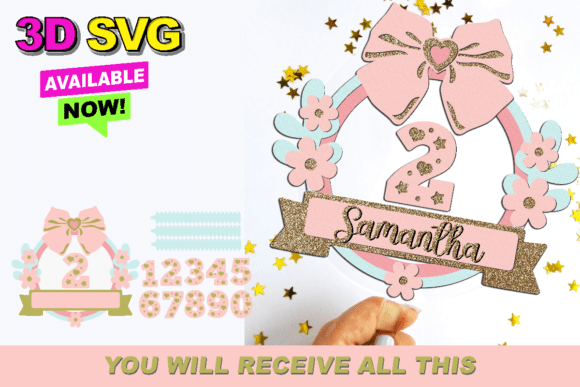
Coquette Shaker Cake Topper 3D SVG
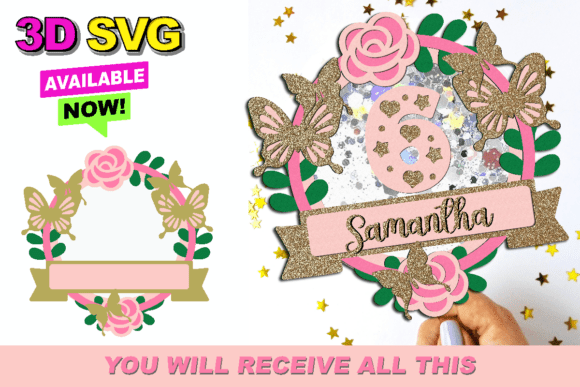
Crafting memorable party decor often feels like a balancing act between aesthetic appeal and structural integrity. For creators, small business owners, and hobbyists alike, the introduction of digital design assets that bridge the gap between simple flat prints and complex three-dimensional structures has revolutionized how we approach event styling. The Coquette Shaker Cake Topper 3D SVG represents a significant step forward in this space. By offering an innovative 3D SVG collection that is ready for immediate download, it provides a streamlined solution for generating high-impact visual merchandise without requiring advanced engineering skills or expensive specialized equipment.
This specific digital asset is designed with versatility at its core. It is effortlessly compatible with industry-standard software such as Silhouette Studio and Cricut Design Space, ensuring that users across different hardware ecosystems can utilize the files without technical friction. However, the true value of this collection lies not just in its compatibility, but in its adaptability. While the primary application focuses on cake toppers, the proportions and design logic extend well beyond dimensions, allowing for creative reinterpretation in various commercial and personal projects.
Bridging Digital Precision and Physical Craft
One of the most common challenges in the crafting community is finding digital files that translate accurately into physical objects. Many SVGs are designed strictly for two-dimensional cutting, resulting in flat designs that lack depth. Conversely, some 3D models require complex slicing and assembly instructions that can deter casual users. The Coquette Shaker Cake Topper 3D SVG addresses this by providing pre-structured layers that guide the user through the assembly process intuitively.
For entrepreneurs selling handmade goods on platforms like Etsy or at local markets, time is a critical resource. Using a ready-to-use 3D SVG reduces the prototyping phase significantly. Instead of spending hours designing the geometry of a shaker element from scratch, a creator can focus on customization, branding, and marketing. This efficiency allows small business owners to scale their product lines more effectively, responding quickly to trends such as "coquette" aesthetics, which emphasize romantic, feminine, and playful design elements.
Furthermore, the requirement to ensure machine compatibility before proceeding serves as a necessary quality control step. While the file format is widely supported, reminding users to verify their hardware capabilities prevents frustration. This practical advice underscores the importance of understanding one’s tools. Whether using a standard cutting mat or a more advanced laser engraver, knowing the limits of your device ensures that the final output matches the digital preview.
Expanding Creative Horizons Beyond the Bakery
While the name suggests a singular use case, the versatility of this collection extends its utility across multiple mediums. The geometric precision required to create a functional shaker mechanism—where confetti can move freely without leaking—is directly applicable to other decorative items. Creators can repurpose these layered designs to produce vibrant stickers, swanky shirt prints, and electrifying birthday bash decor.
Consider the example of a party planner organizing a themed birthday bash. A flat invitation might look nice, but incorporating elements derived from this 3D SVG collection can elevate the entire experience. Imagine creating custom window clings or layered paper flowers that mimic the depth of the shaker topper. These applications allow marketers and bloggers to demonstrate creativity in their content, providing readers with tangible examples of how digital assets can enhance real-world events.
Additionally, the ability to customize these files means that professionals can tailor the output to specific brand identities. A corporate event planner might adjust the color palette to match company colors while maintaining the structural integrity of the design. This flexibility supports goals related to brand consistency and professional presentation, proving that even whimsical designs can serve serious business purposes when executed with precision.
Constructing the Shaker Base: A Practical Guide
Understanding the construction process is essential for achieving a polished result. The Coquette Shaker Cake Topper relies on a specific assembly method that balances transparency with durability. To begin, you will need three strips, an acetate circle, a circle for the background, and three hoops. These components work together to create the enclosed space necessary for the shaker effect.
- Forming the Chamber: Start by gluing and folding the toothed strips into a circle. These strips act as the walls of the shaker, creating a defined perimeter. The toothed edges provide additional surface area for adhesive, ensuring a secure bond that prevents leaks.
- Sealing the Base: Glue the acetate to the base. Acetate is crucial here because it is clear and durable, allowing the glitter or confetti inside to be visible while protecting the contents from moisture and air. Reinforce the toothed circle with a ring at the top to add structural stability, preventing the walls from collapsing under the weight of the decorations.
- Adding the Sparkle: Fill the chamber with glitter, confetti, or sequins. This is where personalization shines. The choice of fillers can dramatically change the mood of the piece, from subtle shimmer to bold celebration.
- Closing the Loop: Decorate the top layer as desired, then glue another base on top to seal the unit. Ensure that the seal is tight to prevent spillage during transport or handling.
It is important to note that while the shaker mechanism adds dynamic movement, you can also make your cake toppers flat. In scenarios where mobility is a concern, or if the user prefers a minimalist aesthetic, removing the shaker element results in a beautiful, layered paper craft. This option simplifies production and reduces material costs, making it an attractive alternative for budget-conscious creators.
Who Benefits Most from This Approach?
The target audience for this type of digital asset is diverse. Educators can use these projects to teach students about geometry, spatial reasoning, and assembly techniques. Freelancers and graphic designers can offer these as part of a comprehensive branding package for clients launching new products. Hobbyists gain access to professional-grade templates that elevate their home decor.
However, it is worth acknowledging potential limitations. Users should be mindful of the materials they choose. Low-quality adhesive may fail over time, especially in humid environments, leading to ruined cakes or wasted effort. Similarly, the size of the glitter particles must be considered; too large, and they will jam the mechanism; too small, and they may leak through microscopic gaps. Therefore, testing a prototype before mass production is highly recommended.
In conclusion, the Coquette Shaker Cake Topper 3D SVG offers more than just a template; it provides a framework for creativity and efficiency. By leveraging ready-made, compatible digital files, creators can focus on what matters most: delivering exceptional experiences and memorable merchandise. Whether used for a single special occasion or as part of a growing product line, this tool supports the goal of turning digital ideas into tangible, splendid memories.