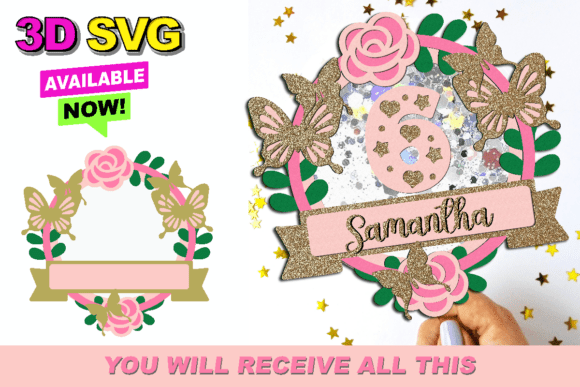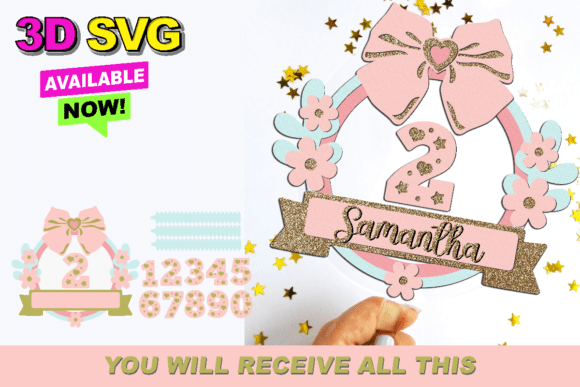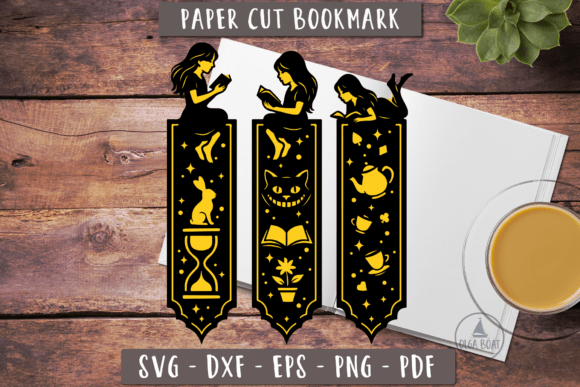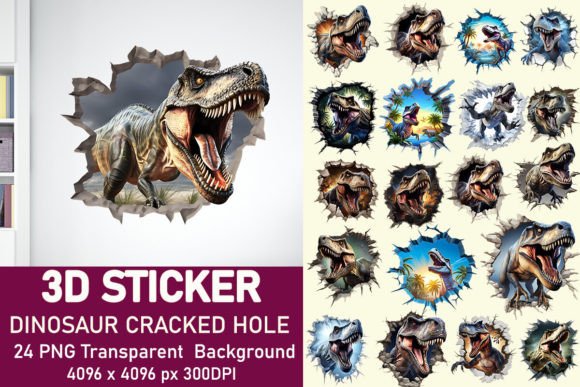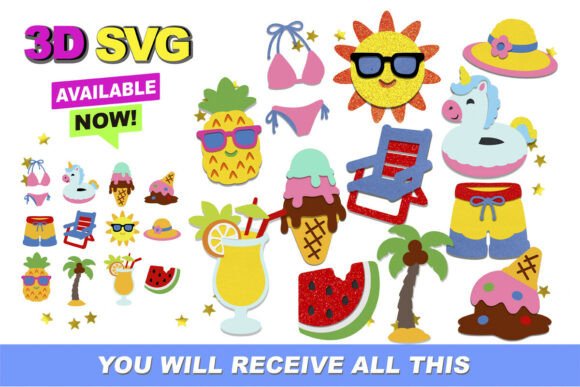
Summer 3D SVG
When you are looking to add a touch of seasonal flair to your crafting projects, the Summer 3D SVG file offers a compelling solution. It is designed to be easily accessible within a neat, zipped folder, ensuring that you receive all necessary components without clutter or confusion. This distinct file format is crafted for effortless trimming on popular software platforms like Silhouette Studio and Cricut Design Space, making it an attractive option for both novice crafters and seasoned professionals. However, before you dive into your cutting mat, there are several practical considerations regarding compatibility, preparation, and execution that can significantly impact the quality of your final project.
Understanding File Compatibility and Machine Limitations
One of the most common pitfalls in digital crafting is assuming universal compatibility across all devices. While the Summer 3D SVG is optimized for Silhouette Studio and Cricut Design Space, creativity often flows through different types of machines. If you are using a brand other than these two, or an older model of software, it is crucial to ascertain its compatibility with this distinct file format beforehand. Not all cutters handle complex vector paths or layered designs with equal precision.
Misunderstanding machine capabilities can lead to frustrated users who believe the file is defective when, in reality, their hardware cannot interpret the intricate details required for a true 3D effect. For instance, entry-level machines may struggle with the fine lines or overlapping layers typical of 3D-style designs. To avoid poor results, check your machine’s manual or consult the manufacturer’s website to ensure it supports the specific SVG complexity. If your machine has limited processing power, consider simplifying the design elements or testing a single layer before committing to the full project.
The Importance of Software Preparation
Even with compatible software, the way you prepare the file plays a pivotal role in the outcome. A frequent mistake is importing the Summer 3D SVG directly into the cutting interface without reviewing the layers. These files often contain multiple grouped elements designed to create depth. If you do not ungroup and inspect these layers, you might end up cutting unnecessary background shapes or missing critical detail pieces.
- Inspect Layers: Always open the file in your editing software first. Look for grouped objects and separate them to understand the structure.
- Check Line Quality: Zoom in on the vectors. Are there any stray points or overlapping lines that could cause the cutter to behave erratically?
- Scale Appropriately: Ensure the design fits your material size. Scaling too large may exceed your machine’s cutting area, while scaling too small might render delicate details invisible or uncuttable.
Neglecting these steps can affect usability and efficiency. You might waste expensive vinyl or cardstock on a failed cut because a tiny error went unnoticed. Taking a few minutes to review the file structure saves time and materials in the long run.
Avoiding Material Missteps
The visual success of a 3D effect relies heavily on the materials chosen. Many beginners assume that any type of adhesive vinyl will work, but the wrong choice can ruin the illusion of depth. For example, using thick, stiff cardstock without scoring it properly can lead to cracking or misalignment when folding or layering. Conversely, using overly thin paper might not hold the shape needed for the 3D pop.
To achieve the best presentation, select materials that complement the design’s complexity. If the Summer 3D SVG features intricate cutouts, opt for high-quality, smooth-surface vinyl or heavyweight cardstock that provides structural integrity. Additionally, consider the color contrast between layers. A successful 3D design often depends on distinct color variations to highlight depth. Using monochromatic shades can flatten the visual impact, making the design look less dynamic than intended.
Evaluating Cost vs. Value
When evaluating whether to purchase or download the Summer 3D SVG, it is helpful to compare it against simpler alternatives. Some users might opt for cheaper, basic cut files to save money. However, if those files lack the detailed layering required for a 3D effect, you may find yourself spending more time troubleshooting or creating custom elements from scratch. The value of a well-designed file lies in its ease of use and the professional finish it delivers.
Consider the total cost of ownership, which includes not just the price of the file, but also the time spent learning how to make it work and the materials wasted during trial runs. Investing in a high-quality, tested file like the Summer 3D SVG often proves more economical by reducing errors and ensuring a polished result on the first attempt. This is particularly relevant for entrepreneurs and small business owners who need consistent, high-quality products for their customers.
Best Practices for Execution
To maximize the potential of the Summer 3D SVG, follow a systematic approach to your crafting process. Start by cleaning your cutting mat and ensuring your blade is sharp. A dull blade can drag on delicate lines, causing jagged edges that detract from the 3D appearance. When loading your material, ensure it is flat and free of wrinkles, as uneven surfaces can cause misalignment during the cut.
- Test Cut: Perform a small test cut on scrap material to verify settings such as pressure and speed.
- Weeding Carefully: Use precision tools to remove excess material, especially around small details. Patience here prevents accidental removal of essential parts.
- Layer Assembly: Follow the recommended assembly order provided in the file instructions, if available. Proper alignment is key to achieving the intended 3D effect.
By adhering to these practices, you enhance the overall satisfaction with your project. The goal is not just to complete the task, but to create something that looks professional and feels rewarding to display or share.
Final Considerations for Creators
Whether you are a blogger showcasing DIY tutorials, an educator teaching design principles, or a hobbyist decorating your home, the Summer 3D SVG offers versatility. Its accessibility in a zipped folder makes it easy to store and organize within your digital library. Remember, the success of your project depends on careful preparation, appropriate material selection, and attention to detail. By avoiding common mistakes and leveraging the strengths of this file format, you can create stunning summer-themed crafts that stand out.
If you encounter any issues, refer back to the software’s help resources or community forums. Often, others have faced similar challenges and can provide valuable insights. Ultimately, the right combination of technology, material, and technique will bring the Summer 3D SVG to life, allowing your creativity to shine without unnecessary obstacles.