Cute Sloth 3D SVG: Evaluation and Usage Guide
The intersection of digital design and physical crafting has created a robust market for vector graphics that bridge the gap between screen and substrate. Among the myriad of options available to hobbyists and professional designers, the Cute Sloth 3D SVG stands out as a specific asset designed for precision cutting and layered visual effects. This article provides an objective evaluation of this file format, exploring its technical characteristics, compatibility requirements, and practical applications to help creators determine if it aligns with their project goals.
Understanding the Cute Sloth 3D SVG Format
At its core, a Scalable Vector Graphic (SVG) is a vector image format based on XML code. Unlike raster images (such as JPEG or PNG), which are composed of pixels and lose quality when scaled, SVGs use mathematical equations to define lines, curves, and shapes. This allows them to be resized infinitely without pixelation. The term "3D" in the context of a 2D file format like SVG typically refers to a design technique known as layering or shadowing, rather than actual volumetric geometry.
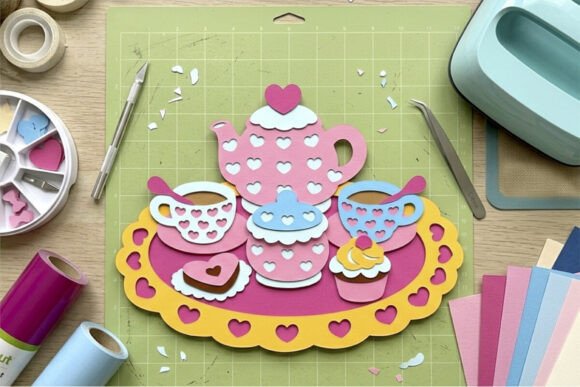
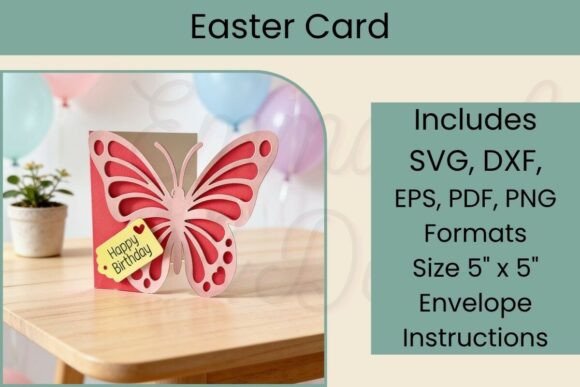
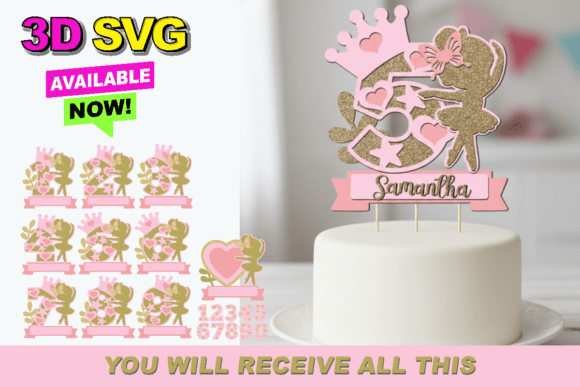
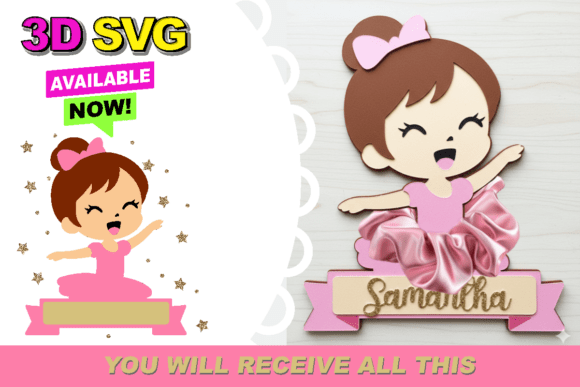
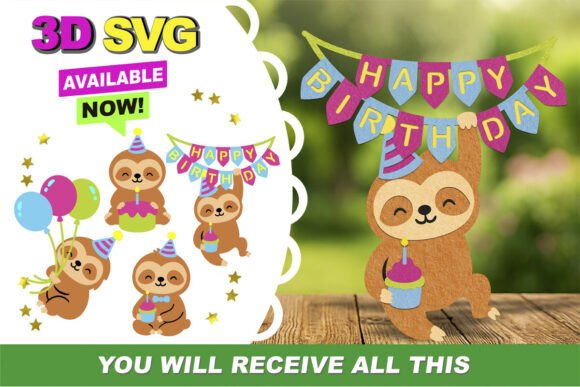
The Cute Sloth 3D SVG is specifically engineered to create depth. It achieves this by breaking down the illustration of a sloth into multiple distinct layers. Each layer represents a different part of the image at varying depths, allowing the user to stack physical materials—such as cardstock, vinyl, or foam—on top of one another. When assembled, these layers create an optical illusion of three-dimensionality. This approach requires careful alignment during the cutting and assembly process but results in a tactile, high-quality finished product that flat prints cannot replicate.
Accessibility and File Organization
One of the primary considerations for any digital asset is how easily it can be accessed and managed. The Cute Sloth 3D SVG is distributed in a neat, zipped folder structure. This packaging method serves several practical purposes. First, it ensures that all necessary components—the individual SVG files for each layer, along with any accompanying preview images or instructions—are kept together. Second, it reduces the risk of file corruption during transfer and keeps the download size manageable.
For users who prefer organized digital libraries, receiving the assets in a compressed archive simplifies the workflow. Users simply need to unzip the folder to access the raw vector files. This organization is crucial for complex projects like 3D SVGs, where losing a single layer file can disrupt the entire assembly process. The structured delivery reflects a level of professionalism in the file preparation, ensuring that the creator receives exactly what is needed to begin production immediately.
Software Compatibility and Machine Integration
The utility of any SVG file is contingent upon its compatibility with the software used to drive cutting machines. The Cute Sloth 3D SVG is explicitly designed for seamless integration with two of the most popular computer-to-tool (C2T) platforms: Silhouette Studio and Cricut Design Space.
Silhouette Studio Compatibility
Silhouette Studio is widely regarded for its robust editing capabilities. The layered nature of the sloth design allows users to manipulate individual elements within the software. Creators can adjust the spacing between layers to enhance the 3D effect, change colors for different material types, or resize specific parts to fit unique project dimensions. The file structure is optimized to maintain clean cut lines and node points, which minimizes errors during the cutting phase.
Cricut Design Space Compatibility
Cricut Design Space, the proprietary software for Cricut cutting machines, also supports this format effectively. While Design Space has a more streamlined interface compared to Silhouette Studio, it handles multi-layer SVGs efficiently. Users can upload the individual layers and use the "Weld" or "Attach" features to ensure that the pieces remain aligned during the cutting process. The straightforward compatibility means that users do not need advanced technical skills to import and prepare the design for production.
Third-Party Machines and Formats
If your creativity flows through a different type of machine, kindly ascertain its compatibility with this distinct file format. Most modern cutting plotters support SVG imports. However, it is important to note that some proprietary software may require conversion to other formats like DXF or AI. Before purchasing or downloading, verify that your specific hardware and software ecosystem can read standard SVG files. If your machine relies on a closed ecosystem that does not accept external vector uploads, this file may not be suitable without additional conversion steps.
Benefits and Tradeoffs of Using Layered 3D SVGs
Choosing to work with a Cute Sloth 3D SVG involves weighing several benefits against potential challenges.
- Visual Impact: The primary benefit is the creation of a premium-looking craft item. The layered effect adds texture and depth, making simple paper cuts look like intricate sculptures.
- Customization: Because the file is vector-based, every aspect of the design is customizable. You can alter color palettes to match holiday themes, adjust sizes for different products (e.g., mugs vs. large wall art), and experiment with different material textures.
- Ease of Trimming: As noted, the file is effortlessly trimmable in major design software. This reduces the frustration often associated with poorly coded SVGs that have overlapping paths or unnecessary anchor points.
However, there are tradeoffs to consider. The most significant is the time investment required for assembly. A 3D SVG is not a single cut; it is a series of cuts that must be weeded, aligned, and glued or adhered together. This process demands patience and precision. Additionally, the cost of materials increases because you are using multiple sheets of cardstock or vinyl rather than just one.
Decision-Making Insights: Is This Right for You?
To determine whether the Cute Sloth 3D SVG is a strong fit for your needs, consider your current skill level and project objectives.
Strong Fit Scenarios
This asset is ideal for intermediate to advanced crafters who enjoy detailed assembly processes. It is particularly well-suited for:
- Gift Giving: Handmade, layered items are perceived as highly personal and thoughtful gifts.
- Nursery Decor: The cute aesthetic of a sloth, combined with the soft textures achievable through layered paper, makes it perfect for baby showers or nursery decorations.
- Commercial Products: Sellers looking to differentiate their offerings on platforms like Etsy can use 3D elements to command higher price points due to the increased labor and perceived value.
When to Consider Alternatives
Conversely, you might want to consider alternative file types if:
- You Need Speed: If you are producing high volumes of simple decals or single-layer stickers, a flat SVG would be more efficient.
- You Lack Assembly Tools: Precise alignment tools, such as registration marks or specialized adhesives, may be necessary to achieve the intended 3D effect. Without these, the layers may shift, ruining the illusion.
- You Are a Beginner: While the file is easy to cut, the assembly process has a steep learning curve. Beginners might find flat designs less frustrating while they learn the basics of their cutting machine.
Conclusion
The Cute Sloth 3D SVG offers a versatile and visually appealing solution for crafters seeking to add dimension to their projects. Its compatibility with industry-standard software, combined with its organized distribution, makes it a reliable choice for both hobbyists and small business owners. By understanding the balance between the enhanced visual output and the increased time required for assembly, you can make an informed decision about incorporating this asset into your creative workflow. Always verify machine compatibility and assess your own tolerance for detailed manual assembly before proceeding.