Pinky Piggy Bank DIY 3D Papercraft: A Functional Decorative Model
The intersection of functional utility and decorative art has long been a popular niche in the crafting community. Among the various options available, the Pinky Piggy Bank DIY 3D Papercraft stands out as a compelling project for enthusiasts seeking to combine creative expression with practical savings tools. This model offers more than just a static display piece; it provides a fully operational piggy bank constructed from paper, designed with a modern aesthetic that appeals to both children and adults.
For individuals researching papercraft projects, understanding the specific characteristics, assembly requirements, and end-use cases of this model is essential before committing time and materials. This evaluation explores the features of the Pinky Piggy Bank, analyzing its suitability for different skill levels, its functional design elements, and how it compares to traditional storage solutions or other craft projects.
Understanding the Model Design and Aesthetics
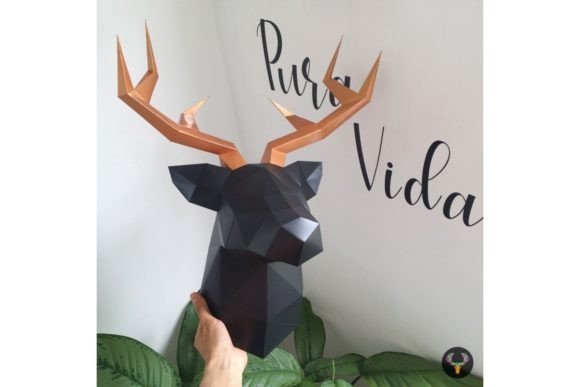
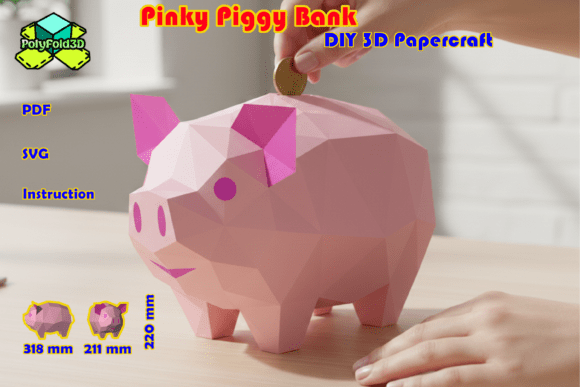
The core appeal of the Pinky Piggy Bank DIY 3D Papercraft lies in its visual presentation. The model utilizes a low-poly style, which breaks down the organic shape of a pig into geometric facets. This approach results in a contemporary, minimalist look that fits seamlessly into modern home décor, office desks, or contemporary children’s rooms. The color palette is defined by soft pink tones, reinforcing the playful yet sophisticated nature of the final product.
Unlike traditional cartoonish representations, the low-poly geometry requires precision during assembly. The finished dimensions are substantial enough to serve as a noticeable decor item, measuring approximately 318 mm in length, 211 mm in width, and 220 mm in height. These proportions ensure that the bank is not merely a miniature trinket but a significant object capable of holding a meaningful amount of currency while maintaining structural integrity.
Functional Features and Usability
A critical distinction between decorative papercraft and functional papercraft is usability. Many paper models are purely ornamental, lacking mechanisms for practical use. In contrast, the Pinky Piggy Bank is engineered for daily interaction. It includes a detachable coin access hole located at the rear of the model. This feature addresses a common frustration with paper-based containers: the difficulty of retrieving contents without destroying the structure.
The detachable mechanism allows users to remove saved coins easily, preserving the integrity of the paper construction. This design choice transforms the model from a simple sculpture into a reliable tool for saving money. For parents teaching financial responsibility to children, this functionality is paramount, as it encourages repeated use without the fear of damaging a handmade gift.
However, users must consider the material limitations. While optimized for stability, paper is inherently less durable than plastic, ceramic, or metal banks. Exposure to moisture, excessive handling, or rough treatment can compromise the structural bonds. Therefore, the model is best suited for environments where it will be handled with care and kept in dry conditions.
Assembly Process and Technical Specifications
Prospective builders should evaluate their technical skills against the requirements of the project. The Pinky Piggy Bank DIY 3D Papercraft is categorized as an intermediate-level project. It comprises 45 individual parts, requiring careful cutting, folding, and gluing. This complexity level makes it unsuitable for young children working alone, though it serves as an excellent collaborative activity for families or educators.
The digital files provided support two primary methods of fabrication:
- Hand Cutting: PDF templates are included for those who prefer using scissors or craft knives. This method allows for greater control over the cutting process but requires patience and steady hands.
- Machine Cutting: SVG files are provided for compatibility with cutting machines such as Cricut or Silhouette. This option ensures high precision and consistency across all 45 pieces, reducing the likelihood of errors due to manual cutting variations.
An illustrated instruction PDF guides the user through the assembly process step-by-step. Clear instructions are vital for complex 3D models, as misalignment during early stages can lead to structural issues later. The recommendation for cardstock paper is standard for this type of project, providing the necessary rigidity to hold the three-dimensional shape. Users should avoid standard printer paper, which may lack the stiffness required for a stable base.
Use Cases and Target Audience
Identifying the right context for this papercraft model helps determine its value proposition. The following scenarios highlight where this project shines:
- Home Décor Enhancement: Its aesthetic versatility allows it to serve as a unique accent piece in living rooms, bedrooms, or offices. The combination of cute design and geometric style appeals to a broad demographic.
- Educational Tools: Teachers and parents can use the assembly process to teach spatial reasoning, following instructions, and fine motor skills. Once assembled, the bank becomes a tangible reward system for students or children.
- Handmade Gifting: In an era of mass-produced goods, handmade items carry significant sentimental value. This model offers a thoughtful, personalized gift option for birthdays, holidays, or housewarmings, particularly for recipients who appreciate crafts or saving money.
- Creative Savings Projects: For individuals participating in "no-spend" challenges or saving for specific goals, having a visible, attractive repository can provide psychological motivation to contribute regularly.
Considerations and Potential Tradeoffs
While the benefits are clear, potential buyers should weigh several factors before purchasing the digital files.
Material Costs and Availability: Beyond the digital download, users must source appropriate cardstock. High-quality cardstock can add to the overall cost, and finding the exact weight and texture desired may require visiting specialty craft stores. Additionally, the need for precise adhesives (such as PVA glue or hot glue) adds to the supply list.
Durability Expectations: As noted, paper is fragile. If the bank is intended for heavy daily use by active children, it may show wear and tear faster than a ceramic alternative. Users should manage expectations regarding longevity. Proper care, such as keeping it away from pets and liquids, is necessary to maintain its appearance.
File Limitations: The package includes SVG and PDF files but explicitly excludes DXF files. For users whose workflow relies exclusively on certain software platforms that prefer DXF formats, this omission may necessitate file conversion or limit compatibility. It is advisable to verify software compatibility before purchase.
Alternatives to Consider
If the Pinky Piggy Bank DIY 3D Papercraft does not align with your needs, several alternatives exist. For those prioritizing durability above all else, traditional ceramic or metal piggy banks offer superior longevity and resistance to damage. However, these often lack the personal touch and creative engagement of a DIY project.
For crafters interested in similar aesthetics but different subjects, other low-poly animal models or geometric structures may provide comparable satisfaction. Additionally, if the intermediate difficulty level seems daunting, simpler origami pig designs or pre-assembled kits might offer a more accessible entry point into papercrafting.
Conclusion
The Pinky Piggy Bank DIY 3D Papercraft represents a well-designed fusion of form and function. Its low-poly aesthetic, combined with practical features like the detachable coin slot, makes it a standout choice for craft enthusiasts looking to create something both beautiful and useful. While it requires a moderate level of skill and careful material selection, the result is a rewarding handmade object that serves as effective décor and a functional savings tool.
For those willing to invest the time in assembly, this model offers a satisfying creative experience and a unique addition to any space. By understanding its strengths and limitations, users can make an informed decision about whether this papercraft project fits their crafting goals and lifestyle needs.