3D Layered Dog Medal
In the rapidly evolving world of custom pet accessories, the demand for items that blend sentimental value with high-quality craftsmanship has never been higher. Among the most popular trends in recent years is the 3D Layered Dog Medal. This accessory is not merely a flat piece of metal or plastic stamped with a name; it is a multi-dimensional object that uses depth, texture, and material contrast to create a visually striking tribute to our canine companions.
For creators, small business owners, and DIY enthusiasts, understanding the nuances of this product category is essential. Whether you are looking to start a side hustle selling personalized gifts or simply want to create a unique keepsake for your own pet, knowing what goes into making a high-quality 3D layered design is crucial. This article explores the features, benefits, and practical applications of the 3D Layered Dog Medal, with a specific focus on the versatility provided by comprehensive digital design packages.
What is a 3D Layered Dog Medal?
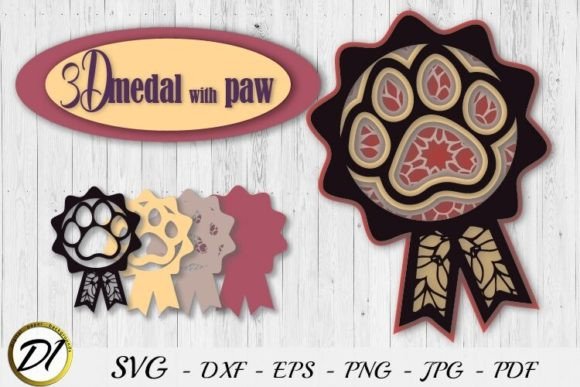
A traditional dog tag is typically a single sheet of material—stainless steel, aluminum, or leather—with engraved text. In contrast, a 3D Layered Dog Medal utilizes multiple distinct layers of material stacked on top of one another. Each layer contributes to the overall aesthetic, creating shadows, highlights, and a sense of physical depth that catches the light as the dog moves.
The "layering" technique allows for intricate designs that would be impossible to achieve with standard engraving. For example, a designer might use a dark background layer, a mid-tone layer for the dog’s silhouette, and a bright foreground layer for the collar or decorative elements. When these layers are cut from different materials (such as wood, acrylic, or metal) and assembled, they produce a rich, tactile experience.
This approach transforms a simple identification tag into a piece of wearable art. It appeals to pet owners who view their dogs as family members deserving of premium, thoughtful gifts. The result is a medal that stands out on any collar, offering both style and functionality.
The Value of Comprehensive Digital Design Packages
One of the most significant advantages for modern makers and designers is the availability of complete digital asset packages. High-quality resources often come in a convenient zip folder containing a variety of file formats, including SVG, DXF, EPS, PDF, JPG, and PNG. This diversity in file types ensures that the design can be used across different manufacturing methods and software platforms.
- Vector Formats (SVG, DXF, EPS): These are critical for laser cutting and CNC routing. SVG and DXF files allow for precise scaling without loss of quality, ensuring that the intricate cuts required for layering are accurate regardless of the final size of the medal. DXF is particularly favored in the laser cutting community for its compatibility with machines like Glowforge or Epilog lasers.
- Raster Formats (JPG, PNG): These images are useful for visualizing the final product, creating marketing materials, or previewing how the colors and layers will look before production. They serve as excellent reference guides for assembling the physical layers.
- Document Formats (PDF): PDFs provide a stable way to share design specifications, especially when communicating with manufacturers or clients who may not have specialized vector editing software.
By having access to all these formats in a single package, creators save significant time. There is no need to trace over low-resolution images or manually recreate vectors. Instead, the design is ready to go, allowing the maker to focus on material selection, finishing techniques, and customer service.
Who Benefits from Using 3D Layered Designs?
The utility of the 3D Layered Dog Medal extends to several different groups within the creative economy.
Small Business Owners and Etsy Sellers
For entrepreneurs running online stores, customization is key. Customers love personalization, but they also expect consistency and speed. Pre-made vector files allow sellers to offer a wide range of styles—from minimalist geometric shapes to complex illustrative scenes—without spending hours designing each new order. By offering layered medals, sellers can command a higher price point due to the perceived value of the craftsmanship involved.
Hobbyists and DIY Enthusiasts
Amateur crafters with home laser cutters or vinyl cutters benefit immensely from structured design files. The inclusion of separate layers in an SVG or DXF file means that users can easily assign different materials to different parts of the design. For instance, a user might cut the outer frame from walnut wood, the inner background from black acrylic, and the dog’s outline from brass-colored vinyl. The clear separation of layers simplifies the assembly process, reducing errors and waste.
Professional Graphic Designers
Even professional designers can leverage these packages as starting points. Rather than building a complex layered structure from scratch, a designer can import the base layers, adjust typography, tweak color palettes, and add unique branding elements. This accelerates the workflow and allows for rapid prototyping of client ideas.
Practical Applications and Real-World Scenarios
Understanding where and how to apply these designs helps maximize their potential. Here are a few common scenarios:
- Pet Identification Tags: While aesthetics are important, safety is paramount. A well-designed layered medal can still include all necessary information (name, phone number, address) while looking stylish. The layered effect can draw attention to the contact details, making them easier to read at a glance.
- Show Ribbons and Awards: Dog show enthusiasts often appreciate medals that reflect the prestige of the event. A 3D layered design can incorporate ribbons, stars, and breed-specific silhouettes, creating a trophy-like feel even for participation awards.
- Memorial Gifts: For those mourning the loss of a pet, a 3D layered medal offers a tangible way to remember their companion. The depth of the design can symbolize the depth of the bond, and the permanence of materials like metal or hardwood adds to the sentimentality.
- Corporate Branding: Pet-friendly companies often give branded merchandise to employees. A 3D layered medal featuring the company logo and a cute dog icon can serve as a unique office accessory or a gift for employee pets during holidays.
Evaluating Suitability: Strengths and Considerations
While the appeal of 3D layered medals is strong, it is important to evaluate whether this approach fits your specific needs. Here are some factors to consider:
Strengths
The primary strength is visual impact. The interplay of light and shadow creates a dynamic look that flat tags cannot match. Additionally, the versatility of materials allows for endless customization. You are not limited to silver or gold; you can mix wood, leather, resin, and various metals. Finally, the perceived value is higher, which supports better profit margins for sellers.
Considerations and Limitations
Weight: Adding multiple layers increases the weight of the medal. For smaller dogs or puppies, a heavy medal can be uncomfortable or even dangerous if it gets caught on branches or other obstacles. It is crucial to choose lightweight materials like thin acrylic or balsa wood for smaller breeds.
Complexity of Assembly: Layered designs require precision in alignment. If the layers are not cut accurately or glued perfectly, the medal can look crooked or uneven. This requires a certain level of skill and patience, which may be a barrier for absolute beginners.
Cost of Materials: Using multiple materials naturally increases the cost per unit compared to a single-piece tag. Makers must factor in the cost of adhesives, backing plates, and ring connectors when calculating their pricing strategy.
How to Choose the Right Design Package
When selecting a digital package for a 3D Layered Dog Medal, look for the following qualities:
- Layer Organization: Ensure the file has clearly named and separated layers. This makes it easy to identify which part of the design corresponds to which material.
- Scalability: Verify that the vector files scale properly. Some designs may become too intricate or too sparse when resized significantly.
- Compatibility: Check that the file formats match your equipment. If you use a Cricut or Silhouette cutter, SVG is usually the best choice. For industrial laser cutters, DXF or AI/EPS files are often preferred.
- Instructional Support: Some packages include tutorials or assembly guides. These can be invaluable for understanding the recommended order of operations for gluing or stacking the layers.
Conclusion
The 3D Layered Dog Medal represents a significant step up from traditional pet tags, offering a blend of artistry, durability, and personalization. By leveraging comprehensive design packages that include SVG, DXF, EPS, PDF, JPG, and PNG formats, creators can streamline their production process and deliver high-quality products to eager customers. Whether you are a seasoned pro or a hobbyist just starting out, the ability to create depth and dimension in your work opens up new possibilities for creativity and expression. As the market for personalized pet goods continues to grow, mastering the techniques behind 3D layered designs will remain a valuable skill for anyone looking to make a lasting impression.