Evaluating the 3D Boxer Dog Shadow Box SVG for Custom Home Decor Projects
The intersection of digital crafting and personalized home decor has created a robust market for layered paper art. Among the most popular formats is the shadow box, which utilizes depth and lighting to create dynamic visual displays. For enthusiasts of canine breeds, specifically the Boxer, the 3D Boxer Dog Shadow Box SVG offers a specialized template that combines technical precision with aesthetic appeal. This article provides a comprehensive evaluation of this digital asset, examining its design specifications, file compatibility, practical applications, and how it compares to other methods of creating similar decor.
Understanding the Design Specifications and Scale
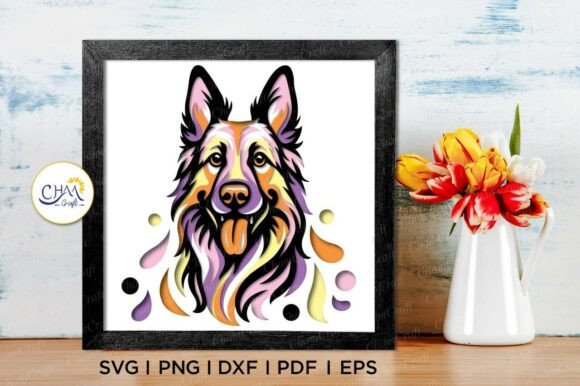
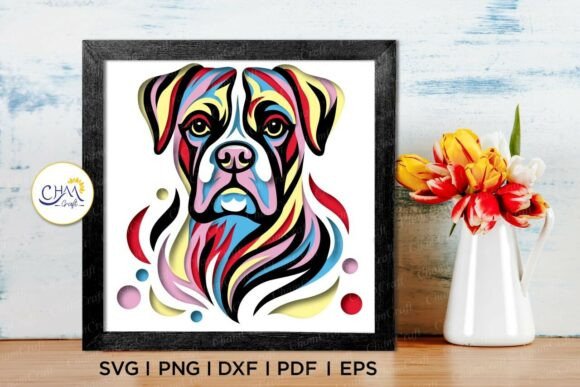
At its core, a layered SVG (Scalable Vector Graphics) file allows users to cut multiple layers of material—typically cardstock, vinyl, or foam board—that stack together to form a three-dimensional image. The specific 3D Boxer Dog Shadow Box SVG template in question is designed with an 8×8-inch footprint. This dimension is significant because it strikes a balance between being substantial enough to showcase detail and compact enough to fit on standard cutting mats found in most home crafting setups.
While the design is scalable, there are critical tradeoffs to consider when adjusting dimensions. Scaling up generally preserves the integrity of the cut lines, allowing for larger wall art. However, scaling down requires caution. The intricate details inherent in a realistic dog portrait, such as facial features, fur texture, and collar elements, can become too small for standard blade settings to cut cleanly. If the layers are reduced below a certain threshold, the delicate connecting tabs may break during the weeding process, resulting in a fragmented final product. Therefore, understanding the limits of your specific cutting machine is essential before resizing.
File Format Versatility and Software Compatibility
One of the primary advantages of purchasing a high-quality digital SVG bundle is the variety of file formats provided. The 3D Boxer Dog Shadow Box SVG typically includes a zipped package containing PNG, SVG, DXF, EPS, PDF, and Silhouette Studio files. Each format serves a distinct purpose in the workflow, catering to different software ecosystems and hardware capabilities.
- SVG: This is the industry standard for vector-based cutting machines like Cricut and Silhouette. It ensures clean lines and precise layer separation, making it the primary choice for automated cutting.
- PNG: With a transparent background, these raster images are ideal for hand-cutting with X-Acto knives or for use in graphic design software where vector editing is not required.
- DXF: Primarily used by Silhouette Studio, this format ensures compatibility with older versions of the software or users who prefer non-subscription workflows.
- EPS: Essential for professional designers using Adobe Illustrator, CorelDRAW, or Inkscape, allowing for advanced manipulation of the vector paths before cutting.
- Silhouette Studio File: A native file type that often comes pre-layered and organized, saving significant time in the setup phase for Silhouette users.
This multi-format approach reduces friction for crafters who may switch between platforms or need to share designs with colleagues using different tools. It also future-proofs the purchase, ensuring the design remains usable even if software preferences change over time.
Comparison with Traditional Shadow Box Methods
When evaluating the 3D Boxer Dog Shadow Box SVG, it is helpful to compare it against traditional shadow boxing techniques. Traditionally, creating a 3D paper scene involves freehand drawing, manual tracing, and individual cutting of each element. This method requires advanced artistic skill and considerable time investment. In contrast, a layered SVG automates the precision aspect, allowing the crafter to focus on assembly, color selection, and lighting effects.
Compared to mass-produced plastic figurines or printed canvas art, the layered SVG approach offers superior customization. Users can experiment with different color palettes to match their interior design schemes. For instance, a warm-toned cardstock might enhance the golden hues of a Boxer’s coat, while cool tones could provide a modern, minimalist contrast. This level of personalization is difficult to achieve with off-the-shelf products.
Practical Applications and Material Considerations
The success of a 3D shadow box project depends heavily on material selection. While the digital file dictates the shape, the physical properties of the paper determine the final look. Standard cardstock is the most common choice due to its ease of cutting and availability. However, heavier stocks like chipboard or corrugated cardboard can add structural rigidity and a more dramatic depth effect, particularly for the outer frames and base layers.
Lighting plays a crucial role in transforming a static paper cutout into a glowing piece of art. Many crafters incorporate LED string lights or battery-operated tea lights behind the layers. The 3D Boxer Dog Shadow Box SVG is designed with negative space that allows light to pass through, creating shadows and highlights that give the illusion of volume. When testing different colors, observe how light interacts with the pigments; translucent papers will diffuse light softly, while opaque cards will create sharper contrasts.
Limitations and Technical Constraints
Despite its benefits, this format has limitations. It is strictly a digital product, meaning no physical item is shipped. Buyers must be comfortable extracting files from zip archives and understanding basic file management. Furthermore, the complexity of the design means that assembly can be time-consuming. Aligning dozens of layers perfectly requires patience and precision tools like tweezers and double-sided tape or glue dots.
Additionally, because the design relies on vector paths, any errors in the original file creation cannot be corrected by the user unless they have access to editing software like Illustrator. While rare, minor adjustments to layer order or spacing might be necessary depending on the thickness of the chosen material. Thicker materials require wider gaps between layers to prevent compression, which might alter the intended perspective of the 3D effect.
Decision Factors: Is This the Right Choice?
Determining whether the 3D Boxer Dog Shadow Box SVG fits your needs depends on several factors. If you enjoy detailed, hands-on crafting projects and own a compatible cutting machine, this template offers a high-value return on investment. It eliminates the need for custom illustration work while providing a professional-grade result. It is particularly suitable for pet owners looking to commemorate a beloved Boxer or for those seeking unique, handmade gifts.
Conversely, if you are new to digital crafting and uncomfortable with file formats or layering techniques, this project might present a steep learning curve. In such cases, simpler single-layer SVGs or pre-assembled kits might be more appropriate starting points. Similarly, if you lack the time for meticulous assembly, the extensive labor involved in stacking and gluing dozens of tiny pieces may outweigh the satisfaction of the final product.
Conclusion
The 3D Boxer Dog Shadow Box SVG represents a sophisticated blend of digital convenience and analog craftsmanship. Its versatility across multiple file formats, combined with the customizable nature of layered paper art, makes it a compelling option for serious hobbyists and decorative artists. By understanding its scale limitations, material requirements, and technical demands, users can make an informed decision about incorporating this design into their creative workflow. Whether used for personal display or as a thoughtful gift, the final result—a luminous, three-dimensional tribute to the Boxer breed—offers a tangible reward for the effort invested in its creation.